
Pai Gow Poker Online for Australian Players: A Measured Look at Pace, Payouts and Fit
Pai gow poker online sits in a quieter corner of the casino floor, and that is exactly why it deserves a proper look before you commit any bankroll. I have spent two decades building and running slot studios and casino operations across the iGaming space, and the games that survive longest are rarely the loudest. This one asks you to split your hand, read the dealer, and wait through a slower rhythm that filters out the impulse bettors. For an Australian player weighing pace against payout potential, the real question is not whether the table looks busy, but whether the structure matches the way you actually like to play.
How Pai Gow Poker Online Is Built And Where It Fits
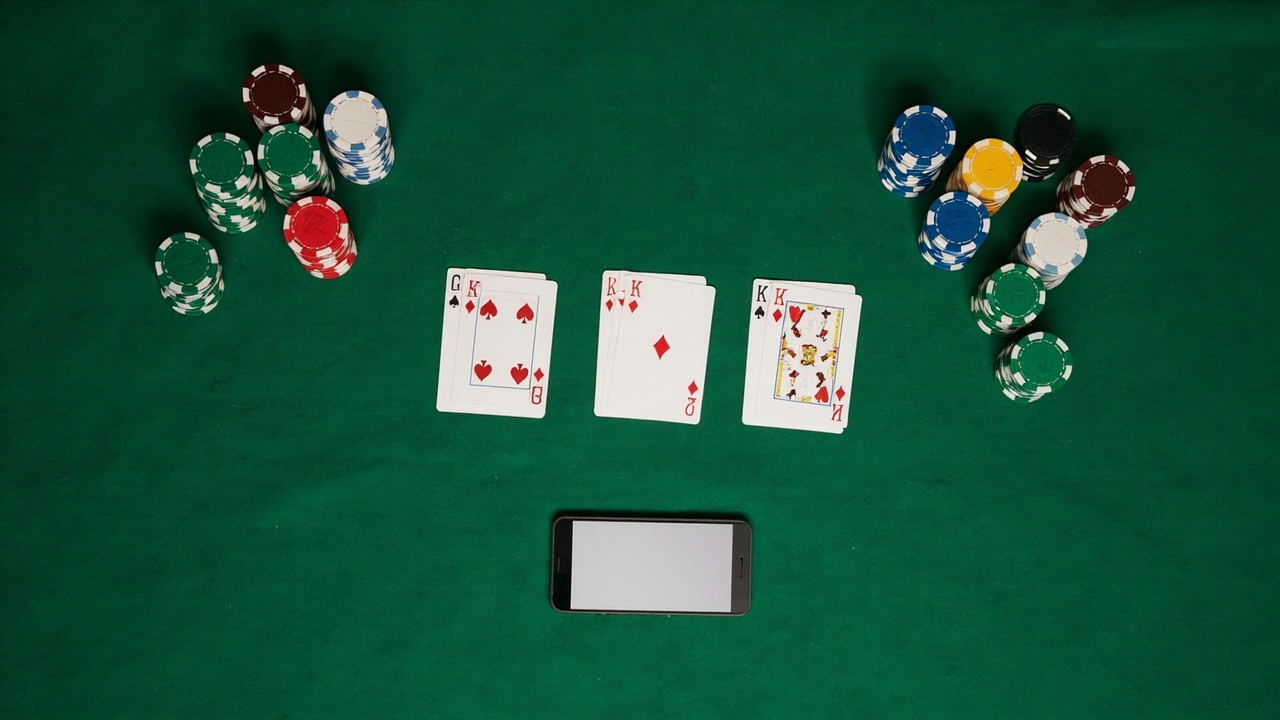
At its core, pai gow poker online is a table game that borrows from Chinese domino heritage and wraps it in a standard 53-card deck with a joker that can complete straights, flushes, or fill a pair. You receive seven cards and split them into a five-card hand and a two-card hand, and the whole point is to beat the dealer on both sides without overcommitting to a single aggressive line. That split-hand mechanic is the spine of the game, and it is also what separates it from the fast-spin momentum of pokies. I have seen studios chase volume by pushing faster rounds, but this format rewards patience and a clear read of where the dealer is likely to stand.
The everyday usability tends to be straightforward once you learn the hand-setting rules, because most digital versions let you auto-arrange the hands while still leaving the option to tweak them manually. That matters on a mobile screen, where a crowded interface can turn a simple split into a frustrating tap-and-wait exercise. A well-built table keeps the card layout readable, shows the house-way reference clearly, and avoids burying the commission or banker rules in a submenu. For players who want a table game that does not demand constant attention, the pace is a feature, not a compromise.
When I compare the flow to what we used to optimise in a Brisbane studio, the lesson is the same: the games that keep people returning are the ones that respect their time instead of racing them through it. You can land a winning configuration on both hands and still walk away with a measured return rather than a sudden swing, which is why the game often appeals to players who treat the session as a steady evening rather than a chase.
queen of nile pokie is a different kind of session entirely, built around spinning reels rather than hand-setting decisions, so the two games suit different temperaments and bankroll habits.
What to Weigh Before You Play
Two things tend to decide whether pai gow poker online actually suits you, and both come down to how you handle risk over time rather than on a single round. The first is the commission structure and the way winning payouts are calculated when one hand wins, both hands win, or the hand is pushed. Because the game is built around a 5 per cent commission on winning bets in most standard layouts, your expected return is shaped by consistent hand-setting choices rather than by chasing a big single payout. That is a quieter economics than a pokie spin, and it rewards players who are comfortable with smaller, more frequent resolutions.
The second consideration is how the game is presented on the platform you are actually using, because the same rules can feel very different depending on the table limits, the dealer speed, and the clarity of the hand-ranking display. A table that runs too quickly can undermine the whole point of the split-hand mechanic, while one that gives you enough time to read both hands tends to keep the session manageable. I have always judged table products by whether a player can make a deliberate choice without fighting the interface, and that standard applies here just as it does to any other casino product we have ever assessed.
A couple of everyday observations tend to confirm that split-hand rhythm matters more than the marketing suggests. I have watched players at a live table spend a solid minute deciding whether to drop a middle card into the two-card hand, only to land a push that keeps the session calm and the bankroll intact. I have also seen the opposite: a rushed split that hands the dealer a free win on the five-card side, which is the kind of mistake that adds up over an evening. Those moments are small, but they are the reason the game asks for a different kind of attention than a fast table or a spinning reel.

Local context matters here too, because the way people approach table games is not uniform across the country. Adelaide players, for instance, often bring a more measured pace to a session, and that fits a game where waiting on the hand split is part of the appeal rather than a delay. The broader environment also shapes expectations, and it is worth noting that studies suggest WA has notably lower rates of certain gambling harms, which points to how regional habits and access patterns can influence the way table games are experienced. None of that changes the rules of pai gow poker online, but it does remind you that the same game can feel different depending on where and how you sit down to play.
The practical side of any platform matters as much as the game itself, because a table that is theoretically sound can still be frustrating if the rest of the experience is clunky. Registration should be quick enough to get you to the table without a long form detour, while still asking for the verification details that a responsible operator needs before you can withdraw. Payment options and currency handling need to be clear from the start, especially for Australian players who want to know whether they are playing in AUD and what the actual settlement timeline looks like once a session ends. Mobile performance is not a bonus feature here; it is the main window for a lot of players, so the table needs to stay readable on a smaller screen without hiding the hand rankings or the commission details.
Support and loyalty structures round out the picture, because a table game that asks you to play patiently is only worth returning to if the operator backs it with sensible help when something goes wrong. A usable loyalty approach tends to be the one that recognises steady table play rather than pushing you toward faster, higher-variance products, and that alignment is a genuine signal about how the platform treats its players. When I look at a casino offering, I am usually comparing it to the standards we applied in a Brisbane studio: the product has to hold up on its own, and the surrounding service has to be consistent enough that a player does not have to guess what happens after the hand is dealt.
| Consideration | What to check | Why it matters |
|---|---|---|
| Hand-setting control | Manual vs auto-arrange, house-way visibility | Affects how much control you keep over each split |
| Commission and payouts | Standard 5 per cent commission, both-hand win rules | Shapes the steady economics of the session |
| Table limits and pace | Min/max stakes, dealer speed, round timing | Determines whether the rhythm suits your bankroll |
| Mobile readability | Card layout, ranking display, menu clutter | Keeps the split-hand mechanic usable on a phone |
| Verification and withdrawals | Registration steps, currency, settlement timing | Sets what happens after the session ends |
| Support and loyalty | Help access, table-play recognition | Signals how the platform treats patient players |
Who This Actually Suits
Pai gow poker online is not a game for someone who wants a fast, high-variance swing every few minutes, and pretending otherwise would be a poor recommendation. It suits players who are comfortable with a slower table rhythm, who can split their attention between two hands without rushing, and who are fine with a commission-based return rather than a single big hit. If you like reading a table, making deliberate hand-setting choices, and keeping the session measured, the format has a real appeal. If you are after the immediate pace of a pokie or a faster dealer game, you will probably find the tempo frustrating.
I have always judged these products by whether they match the player’s actual habits instead of the marketing around them, and that is the test that matters here. The game can be a solid fit for a quiet evening session, but only if you are honest about the pace you want and the bankroll you are willing to spread across a longer run of hands.
For an Australian adult 18+ weighing pai gow poker online, the clearest verdict is this: it is a reasonable choice if you want a table game that rewards patience, clear hand-setting, and a steady approach to stakes, and it is not the right fit if you are chasing quick momentum or a fast-paced win cycle. Play it for what it is, keep the commission and the split-hand logic in mind, and treat the session as a measured table game rather than a shortcut to a big result.
